
Pride and Prejudice
A novel of manners about hasty judgments and love.

Jane Austen · Public domain
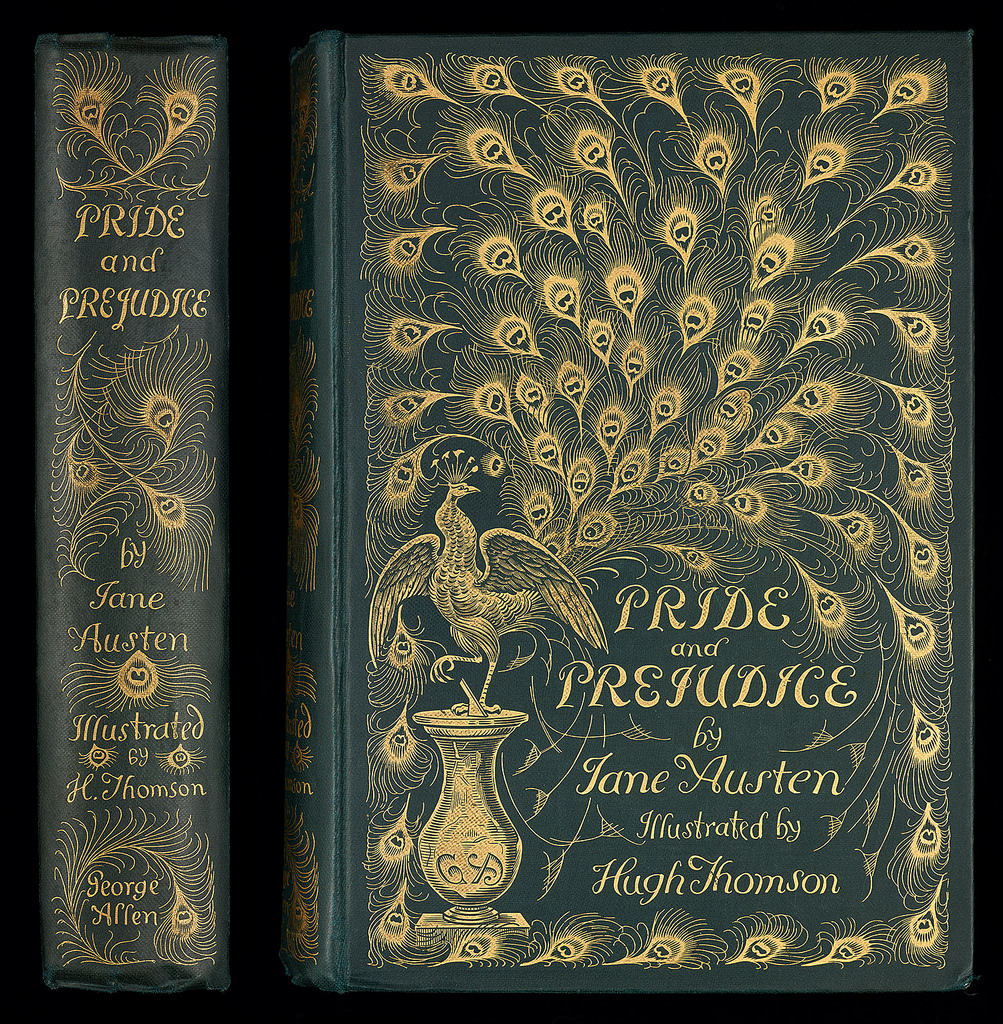
Pride and Prejudice is a novel by English author Jane Austen. A novel of manners, it follows the character development of Elizabeth Bennet, the protagonist of the book, who learns about the repercussions of hasty judgments and comes to appreciate the difference between superficial goodness and actual goodness.
- author
- Jane Austen
- genre
- Novel of manners
- nationality
- English
- protagonist
- Elizabeth Bennet
- copies_sold
- Over 20 million
Lore & Background
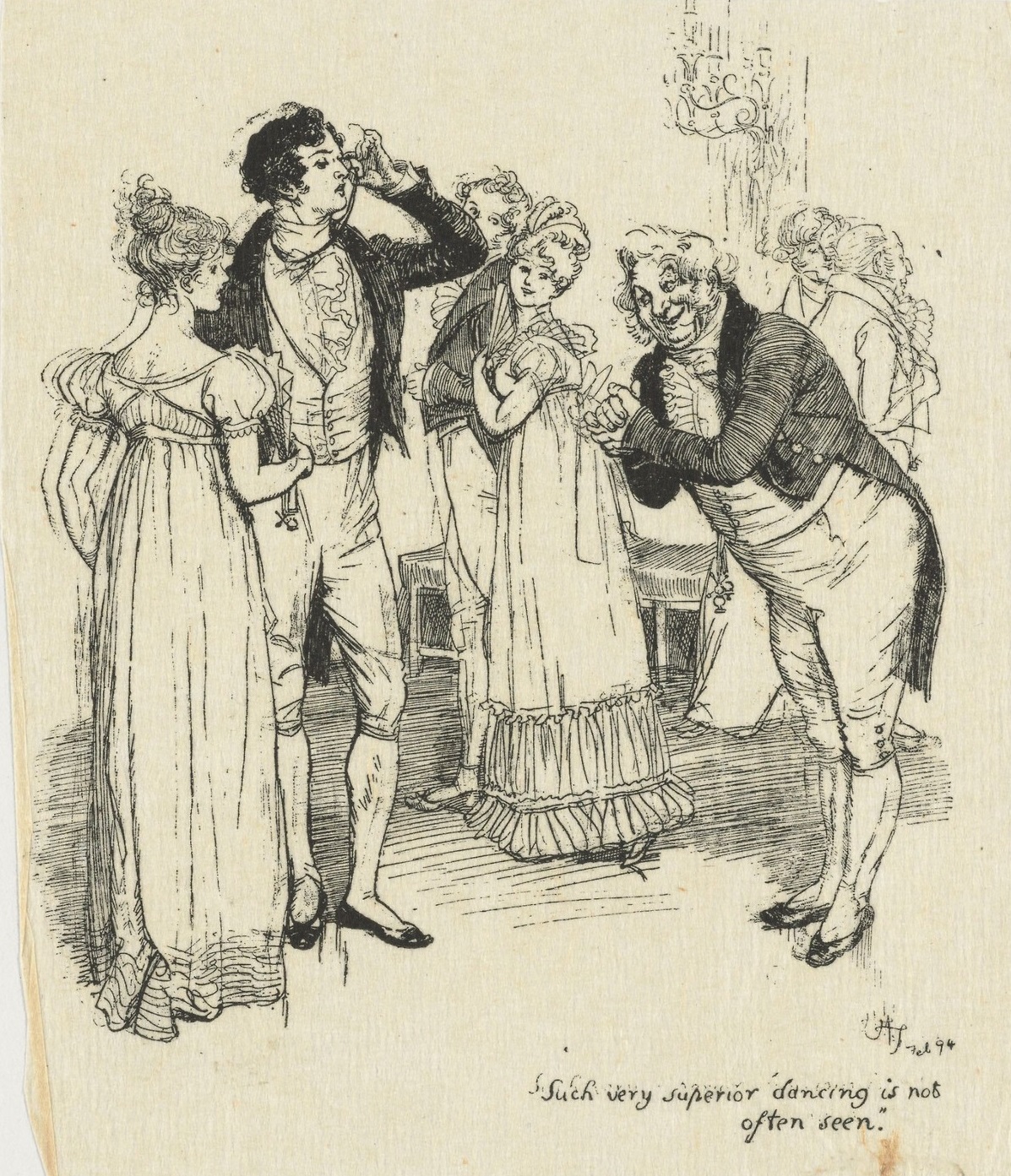
In the early 19th century, the Bennet family lives at their Longbourn estate in Hertfordshire. Mrs Bennet's greatest desire is to marry off her five daughters to secure their futures. The arrival of Mr Bingley, a rich bachelor who rents the neighbouring Netherfield estate, gives her hope. At a ball, the family meets Mr Bingley and his friend Mr Darcy, who is haughty and aloof. Mr Darcy declines to dance with Elizabeth, the second-eldest Bennet daughter, as she is 'not handsome enough.' Despite this, Mr Darcy secretly finds himself drawn to Elizabeth. Mr Collins, the heir to the Longbourn estate, visits and intends to marry one of the Bennet girls. Elizabeth rejects his proposal, and he subsequently proposes to Charlotte Lucas. Elizabeth meets the charming militia officer George Wickham, who tells her that Mr Darcy had treated him badly. Elizabeth's prejudice against Mr Darcy grows. Mr Darcy prompts Mr Bingley to leave for London, separating him from Jane. Later, Mr Darcy proposes to Elizabeth, but she rejects him angrily, accusing him of causing her sister's unhappiness and treating Wickham unjustly. Darcy gives Elizabeth a letter explaining his history with Wickham, which paints Wickham as profligate. Elizabeth realizes she was unfair to Darcy. Months later, Elizabeth learns that her sister Lydia has run off with Wickham. Mr Darcy secretly secures their marriage at great expense. Mr Bingley and Mr Darcy return to Netherfield, and Jane accepts Mr Bingley's proposal. Lady Catherine de Bourgh visits Elizabeth and demands she promise never to accept Mr Darcy's proposal; Elizabeth refuses. Darcy, having heard of this, again proposes and is accepted.
Reader's Guide
Pride and Prejudice has consistently appeared near the top of lists of 'most-loved books' among literary scholars and the reading public. It has become one of the most popular novels in English literature, with over 20 million copies sold, and has inspired many derivatives in modern literature. For more than a century, dramatic adaptations, reprints, unofficial sequels, films, and TV versions have portrayed the memorable characters and themes of the novel, reaching mass audiences. The novel's exploration of pride, prejudice, and the consequences of hasty judgments continues to resonate. Its characters, particularly Elizabeth Bennet and Mr Darcy, have become archetypes in romantic literature. The work's enduring popularity is reflected in its frequent adaptation and its status as a staple of English literature curricula.
Did You Know?
- Pride and Prejudice was Jane Austen's third novel written but the second to see print.
- The Longbourn estate is entailed to the male line, meaning Mr Bennet's daughters cannot inherit it.
- Over 20 million copies of Pride and Prejudice have been sold.
A Young Woman's Third Manuscript
Jane Austen composed Pride and Prejudice during her early twenties, a period when she was still relatively unknown to the reading public. The work was her third novel in terms of composition order, yet it would not be the third to reach shelves; it was actually the second of her novels to be published, appearing in print in 1813. Classified as a novel of manners, the book traces the moral and emotional growth of Elizabeth Bennet, a sharp-witted young woman who must confront the consequences of her own snap judgments. At its core, the story interrogates the gap between what appears to be virtue on the surface and what constitutes genuine goodness beneath. Austen crafted this exploration of perception, error, and correction while still in her early twenties, lending the narrative a freshness of observation that has resonated with readers for well over two centuries. The novel's tight focus on a single family's social world in rural England, combined with its psychological depth, established a template that would define the genre for generations of writers who followed.
The Ledger Behind the Love Stories
Beneath the ballrooms and flirtations of the Bennet household lies a stark financial reality that propels nearly every plot turn. Mr Bennet owns the Longbourn estate in Hertfordshire, but a strict settlement he signed upon reaching adulthood locks the property into the male line, meaning none of his five daughters can inherit it. Mrs Bennet entered the marriage with a separate estate of five thousand pounds and later inherited an additional four thousand from her own father, yet after her husband's death she and her daughters would be limited to living off the interest from those sums. Compounding the problem, Mr Bennet never set aside enough from the estate's income to build meaningful marriage portions for his girls. From the family's standpoint, it becomes essential that at least one daughter secure a wealthy husband so the others can be supported. This economic pressure is not a backdrop to the story; it is the engine. Every introduction at a ball, every visit to Netherfield, every anxious conversation in the Bennet drawing room is filtered through the unspoken arithmetic of survival and social standing.
The Architecture of a Misunderstanding
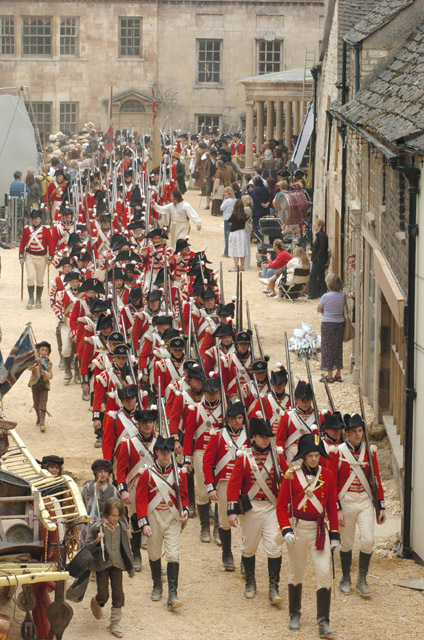
The emotional spine of the novel is built on a sequence of misreadings that both Elizabeth and Darcy must dismantle before they can see each other clearly. Darcy's initial refusal to dance with Elizabeth, dismissing her as not handsome enough, plants the seed of her resentment. That resentment deepens when Wickham, a charming militia officer, whispers a tale of Darcy's past cruelty, and when Darcy maneuvers Bingley away from Jane, leaving the eldest Bennet heartbroken. Elizabeth's first rejection of Darcy's proposal at Rosings Park is volcanic—she cannot forgive a man she believes has ruined her sister's happiness and wronged a friend. Yet the letter Darcy leaves behind the next day reframes Wickham as a profligate who preyed on young women, including Darcy's own teenage sister. Months later in Derbyshire, Darcy's transformed graciousness softens Elizabeth's judgment. The final revelation—that he secretly bankrolled Lydia's marriage to Wickham at enormous personal cost to save the family from ruin—completes her understanding that his pride concealed a depth of loyalty she had never suspected.
Two Hundred Years of Retellings
Few works in the English-language canon have sustained the kind of cultural saturation that Pride and Prejudice has enjoyed since 1813. It consistently lands near the top of most-loved books lists compiled by both literary scholars and general readers, and it has sold more than twenty million copies worldwide. The novel's characters and themes have proven endlessly adaptable: for well over a century, playwrights, screenwriters, and novelists have produced dramatic adaptations, films, television series, reprints, and even unofficial sequels that carry the story to mass audiences far beyond the original readership. Modern literature has absorbed its DNA, spawning countless derivative works that echo its central concerns—class, perception, the gap between appearance and reality. The fact that a novel written by a twenty-year-old woman about a single Hertfordshire family's social season continues to generate new interpretations across every major medium speaks to the universal resonance of its core question: how easily we mistake first impressions for truth, and how much courage it takes to revise what we believed we knew.
Gallery



Frequently Asked Questions
Who wrote Pride and Prejudice?
Jane Austen, an English author, composed the novel while she was in her early twenties. It was her third finished manuscript and the second of her works to reach readers in print.
What is Pride and Prejudice about?
The plot follows Elizabeth Bennet as she sorts through romantic misreadings and social pressures in Regency-era England. Her arc is essentially a lesson in setting aside snap judgments and recognizing the gap between surface charm and true character.
Who is the main character in Pride and Prejudice?
Elizabeth Bennet is the protagonist, a quick-witted young woman whose sharp tongue and hasty conclusions drive much of the novel's tension. Her gradual shift from impulsive to more measured thinking forms the emotional backbone of the story.
Why is Pride and Prejudice considered important?
As a defining novel of manners, it delivers a witty, pointed critique of class, marriage, and social judgment in early nineteenth-century England. Its two-century shelf life and massive readership show how universally its themes of misperception and self-correction still resonate.
More in Literary Novels And Classics 1-15
Spotted an error? Know more?
This is a living reference — every entry is fact-audited, and reader corrections feed straight into our audit queue. Suggest an edit · See this site's audit record